Category guide
Candy
Candy explained through format, label, batch, community language and current Canadian context.
 PCedible
Category map
How to use the Candy category
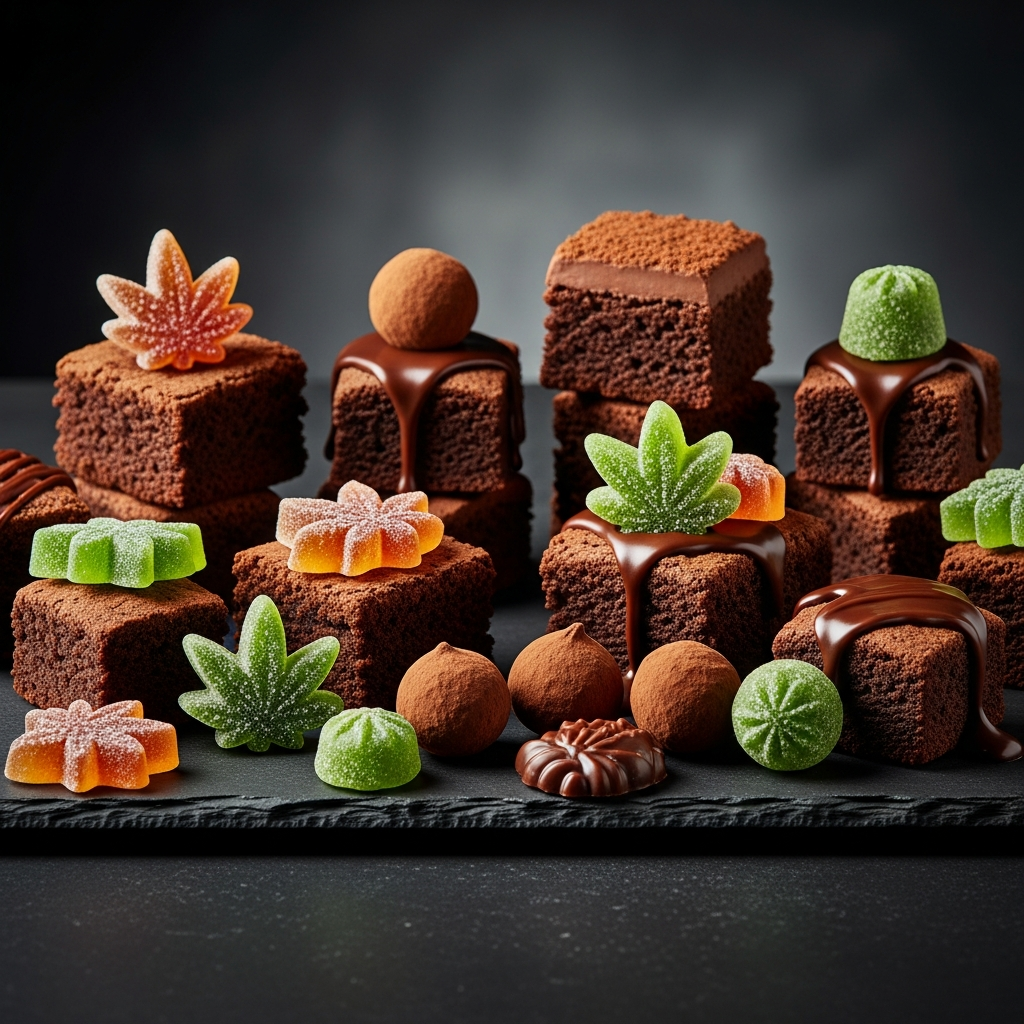
Candy is best treated as a edible category, not as one product. Category pages can mix formats, strengths, batches and sellers, so a label that was useful for browsing can become misleading when it is treated as a quality grade.
Move from category to exact product before comparing price, potency or reviews.
Community language, decoded
What experienced buyers actually compare
People evaluating edibles tend to ask four practical questions: Is the cannabinoid amount stated per piece and per package? Are the portions actually uniform? What do the ingredient and allergen lists say? How long did onset and duration feel for people with a similar tolerance and meal context?
Taste, texture and aftertaste matter, but they do not confirm potency. Neither does a familiar candy shape or pop-culture wrapper. Community stories are most useful for spotting recurring themes such as inconsistent portions, unclear labels or hard-to-open packaging; they cannot replace the tested amount on a legal product label.
Format guide
Understand edible before comparing brands
Food format and cannabis format both matter. A rope, gummy, chocolate, cookie or syrup has its own portioning, ingredient, allergen and storage issues. Cannabinoids may be delivered through distillate, oil or another input, but the candy name does not reveal which.
On a legal Canadian package, look for total THC and CBD for the container, the amount per unit where applicable, ingredients, allergens, nutrition facts, the standardized cannabis symbol when required, a health warning and an excise stamp. Child-resistant packaging is part of the safety system; familiar candy branding is not.
Questions this title does not answer
- Does the milligram number mean total THC, total cannabinoids or something else?
- How many discrete units are in the package, and what is the labelled amount per unit?
- Are cannabinoids evenly distributed and supported by regulated testing?
- What are the ingredients, allergens, best-before guidance and storage directions?
Current comparison
How to research edible
A useful comparison keeps product facts, retailer claims and community experience separate. CannaGuide can help locate current product and store records; the active package and authorized seller remain the final source for regulated details.
| Layer | What to verify |
|---|---|
| Identity | Exact edible, producer or brand, and current product name |
| Label | Total THC/CBD, amount per unit where relevant, ingredients and warnings |
| Batch | Lot or batch, package date, seal, storage and current photographs |
| Seller | Current status, authorized source where applicable, fulfilment and support evidence |
| Community | Recent, source-linked reports about the same batch or hardware - not just the same name |
| Value | Price per usable gram, unit or activation - not the headline discount alone |
Use and storage
The unglamorous checks matter most
Start low and go slowly, especially with a new product or ingestion route. Do not drive or operate machinery while impaired. Keep cannabis in its original child-resistant packaging, locked and out of sight and reach of children and pets; keep edible cannabis separate from ordinary food.
Choose a legal, current source. A legal Canadian product provides standardized labelling and a regulated chain of production. A copied candy brand, huge THC number, missing excise stamp, broken seal or seller that cannot be independently verified is a reason to stop.
Sources and further reading
- Choose legal cannabis (Health Canada)
- Canada's Lower-Risk Cannabis Use Guidelines (Health Canada)
- Safe storage of cannabis (Health Canada)
Research method
Keep “Candy” tied to evidence
Record THC and CBD per unit and package, unit count, ingredients, allergens, lot and meal context. Without those anchors, a current-looking page can repeat a claim that belongs to a different product, different batch or different business.
The strongest field report names what was received, when it was received, how it was used and what the reviewer still could not verify. Dates matter: freshness, hardware, formulation, support performance, laws and store status can all change while the name stays the same.
A clean research trail
- Save the current product name, URL, seller and date checked.
- Capture the complete label or primary source rather than a cropped claim.
- Normalize units before comparing price, potency or quantity.
- Match reviews to format, lot and date; note tolerance and method when effects are discussed.
- Write down contradictions and unknowns instead of resolving them with marketing language.
For Candy, compare at least two current records and prefer the one that exposes more verifiable detail, not the one that repeats the strongest adjective. When sources disagree, keep both dates and claims visible until a label, regulator or current seller record resolves the difference.
That process is deliberately slower than copying a product blurb. It is also what makes the page useful after prices, inventory and search rankings move.
Related reading
Go deeper on the same format.
Current evidence
Continue the research on CannaGuide.
Compare active store records, product listings, deals and source-linked community reports.